Perioperative platform · Australia

The operating day, decided weeks earlier.

Livel gives anaesthetists and surgical teams one structured view of every patient before theatre — risk identified early, preparation coordinated, readiness visible to everyone involved.

Built by a practising anaesthetist
Australian data residency
Pre-pilot · advisory group forming
Perioperative coordination · booked list
Live alerts
4 weeks to list
1 in 8
elective operations deferred or cancelled on or near the day
30–50%
of those cancellations are considered avoidable
4 weeks
typical window in which risk can still be modified
duplicated data capture across a single surgical journey
Figures drawn from published perioperative literature; not Livel outcome claims.
01 — Why now

The work before surgery is the least organised part of surgery.

Most perioperative risk is knowable weeks out. It is rarely captured in one place, rarely acted on in time, and rarely visible to the whole team on the day. Patients arrive unprepared, lists move, and the same history is collected three times over.

Livel was built by a specialist anaesthetist and perioperative physician around that gap — not around a billing workflow.

History without structure
at booking
Free text nobody downstream can query, compare or audit — so the next clinician starts again.
Risk found too late
in clinic
Frailty, anaemia and poor functional capacity noticed, noted, and left without an owner.
Nobody owns the four weeks
−4 weeks
Prehabilitation is well evidenced and badly coordinated. It is suggested, rarely scheduled.
A patient completing a preoperative health questionnaire in a clinic waiting area
Collected three times
The same history, re-taken at booking, at clinic, and again on the morning.
Four versions of one patient
throughout
Anaesthetist, surgeon, GP and pre-admission nurse each hold a different picture of readiness.
Deferral on the morning
day 0
The list is rebuilt under pressure, and the theatre hour is already gone.
Longer stay afterwards
day 1+
Preventable morbidity that began as an unaddressed preoperative problem.
And then
The list runs again next week with the same problems, and no memory of the last one.
02 — How it works

Four steps, from referral to theatre-ready.

Each step hands the next one something already structured.
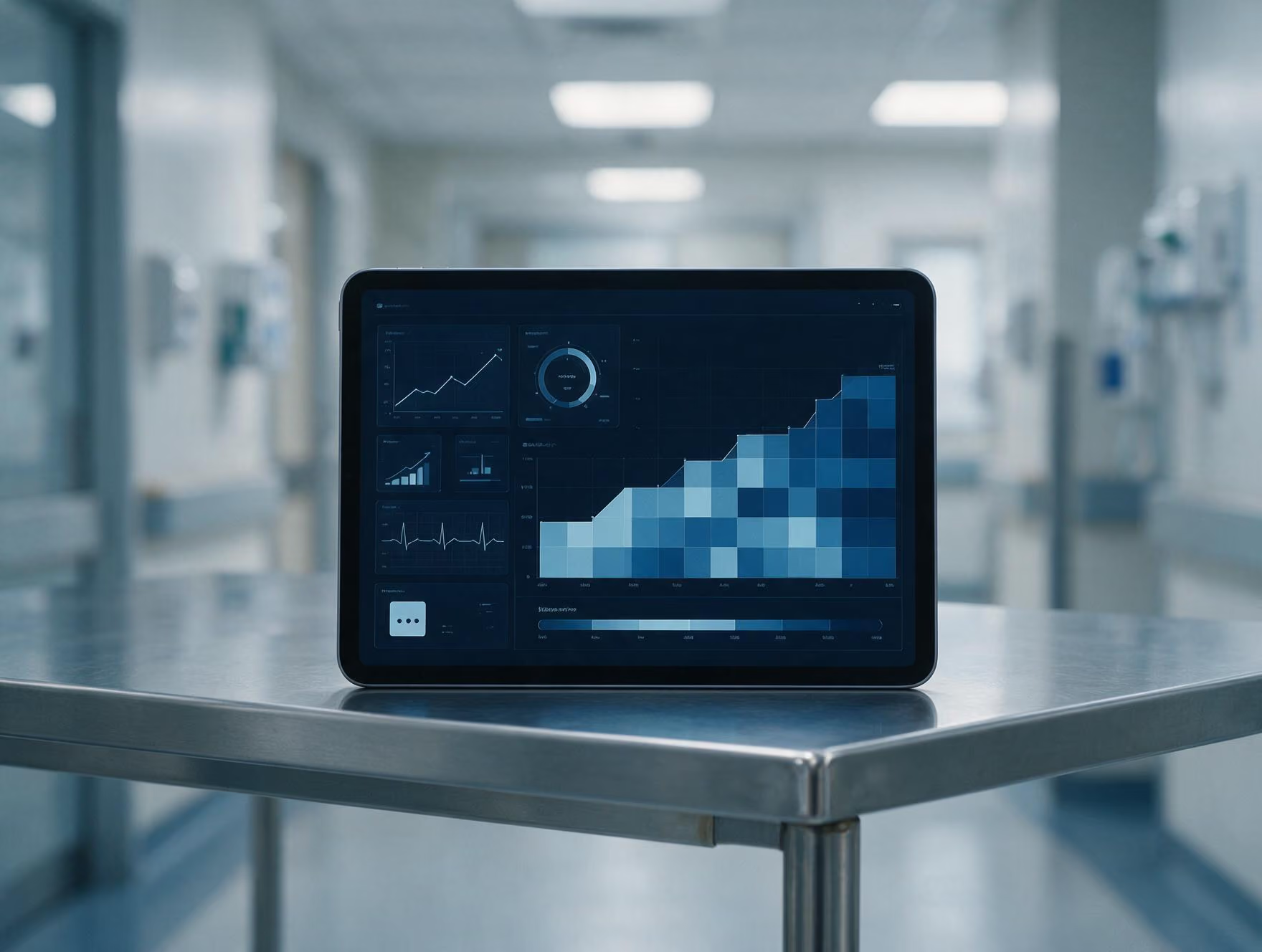
A tablet on a clinical bench showing a perioperative record opening as a patient is listed

Step 01

Referral arrives

Booking data lands in Livel the moment a patient is listed — no new front door for the surgeon.

Booking intake
Consent capture
No double entry
A clinician reviewing preoperative test results with an older patient on a tablet

Step 02

Structured assessment

Patient-completed history plus clinician review, captured as coded fields rather than prose.
Coded history
Functional capacity
Medication review
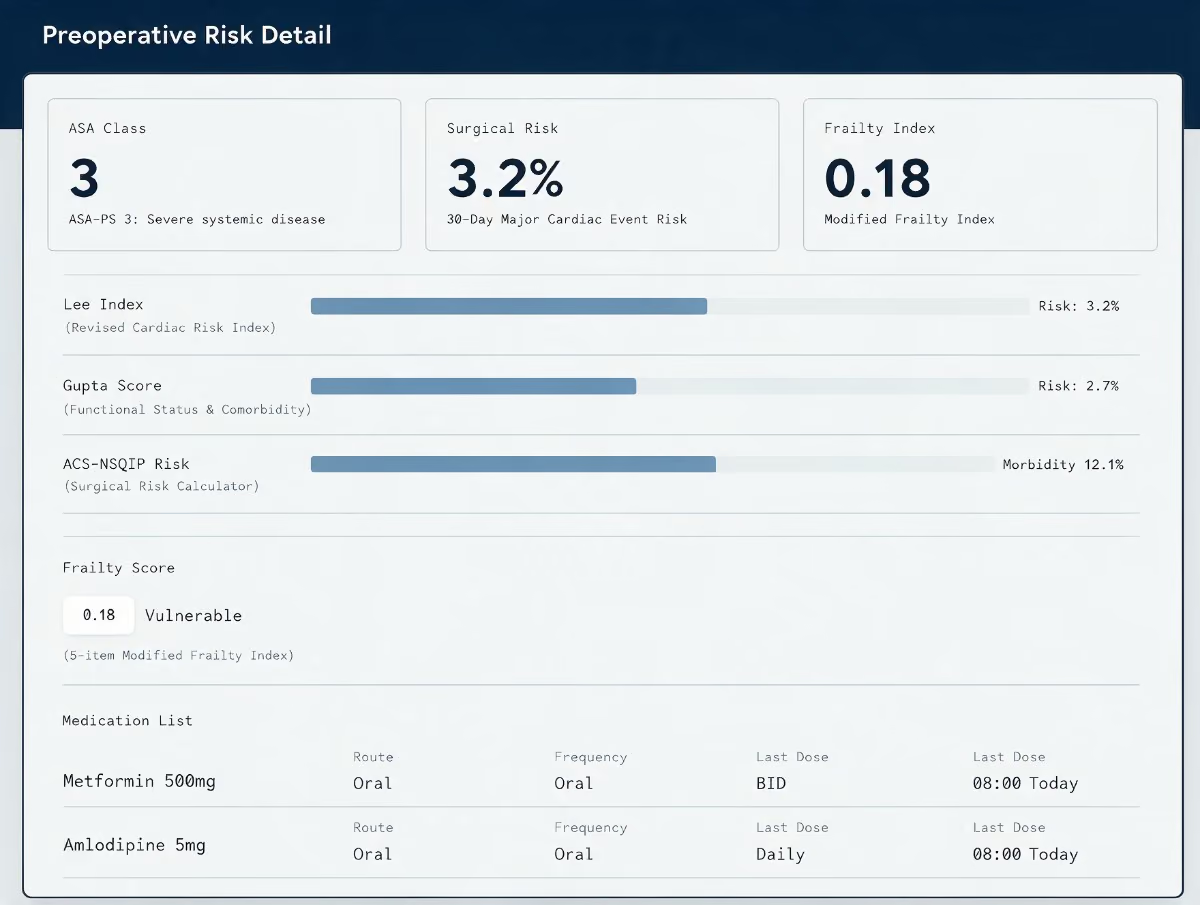
A risk panel showing which instruments fired and on which inputs

Step 03

Risk and readiness

Established instruments applied consistently, surfacing the patients who need a specialist.
Frailty
Anaemia
Cardiopulmonary reserve
A prepared operating theatre before the first case of the day

Step 04

Optimisation and handover

A shared four-week plan with owners and dates, then a single readiness status on the day.

Prehabilitation
Team handover
Day-of status
03 — The optimisation window

Detect it four weeks out and the list runs.

An illustrative model of one four-week window: risk found at referral rather than on the morning of the list.
83%
theatre-ready
Four weeks. Iron infusion and frailty support can complete before theatre.
referral
day of surgery
Modelled: detected 4 weeks before surgery
Dashed line: the same list with risk found on the day.
Modelled list · 6 patients
PT-01
Iron-deficiency anaemia
READY
PT-02
Uncontrolled OSA
READY
PT-03
Poor functional capacity
IN PROGRESS
PT-04
Clinical frailty score 5
READY
PT-05
Anticoagulation plan unclear
READY
PT-06
No modifiable risk identified
READY
Synthetic patients. Illustrative model only — no real or patient-identifiable data.
What fills the window
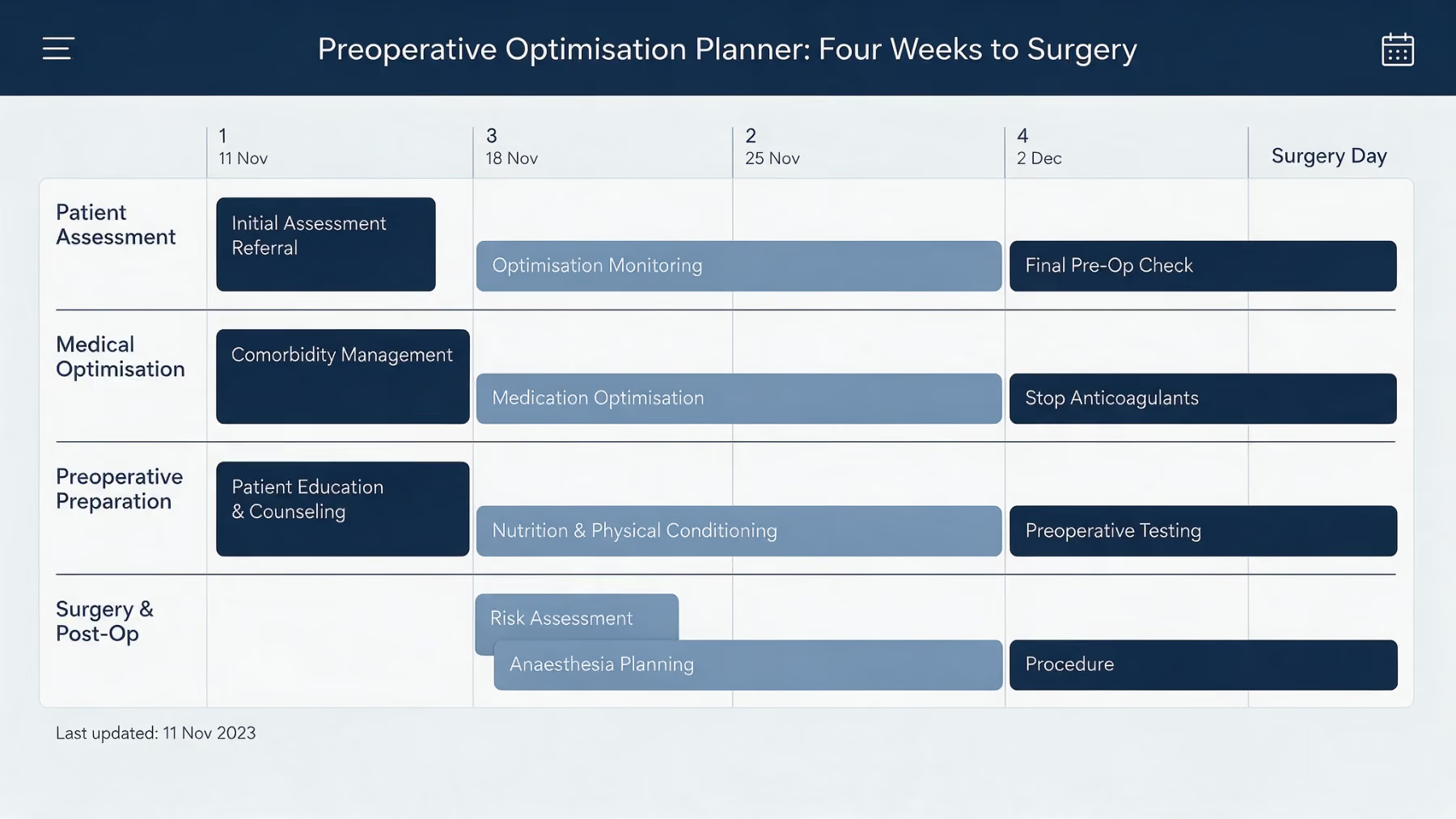
Each week carries named owners and a date, so the plan survives the handover.
Anaemia correction, medication changes and conditioning run in parallel rather than in sequence.
A four-week optimisation planner: week columns with task bars for each preparation step, owners and due dates
04 — Platform

Built for the way perioperative teams actually work.

See the platform in detail →
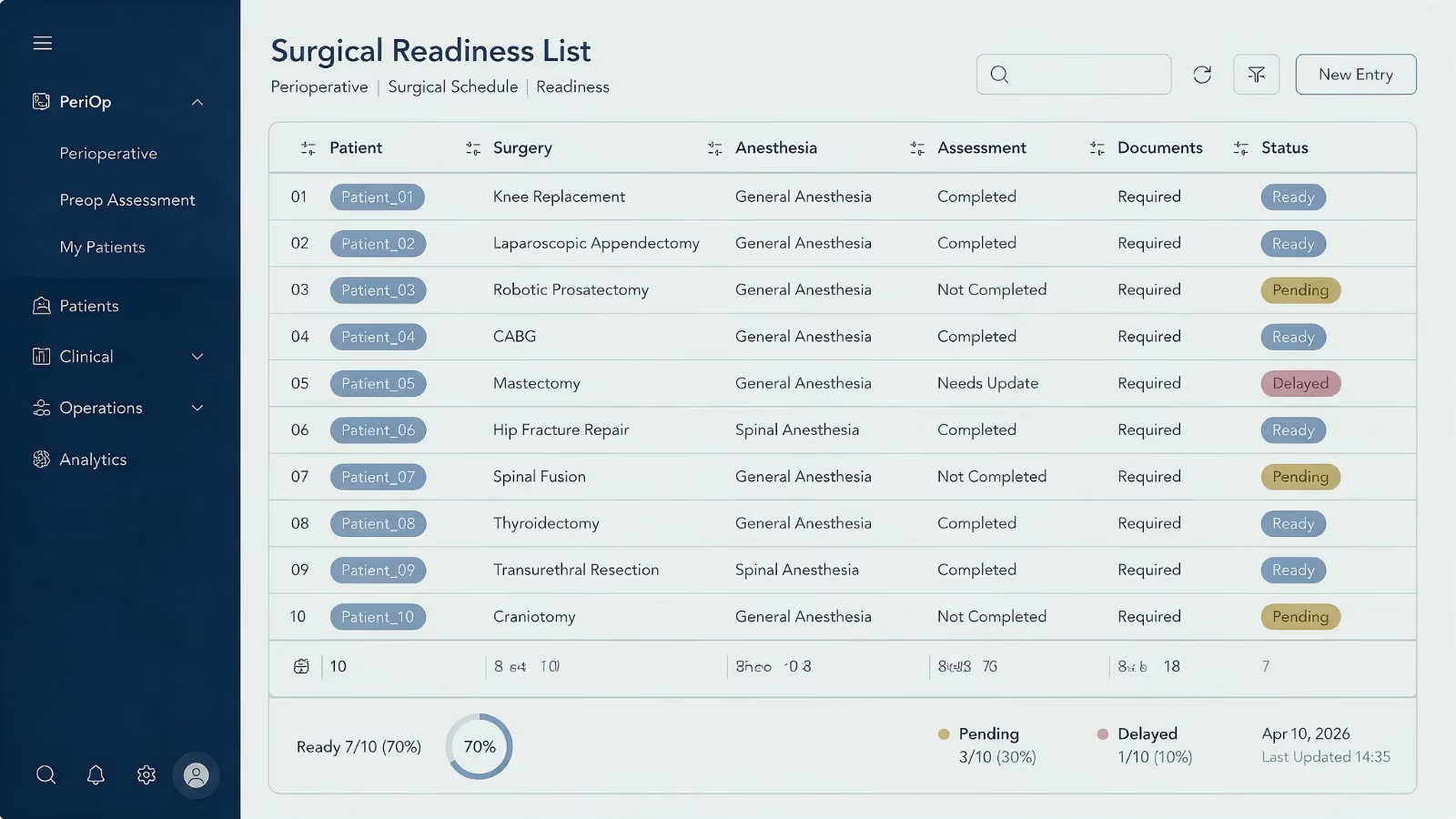
The booked list ordered by outstanding preparation, each patient carrying an assessment state and a readiness status
Working list
Sorted by what is still outstanding — not by the order the cases happened to be booked.
Modelled window
0
elective cases a year, each with four weeks that can still be used.
One status, four professions
Anaesthetist, surgeon, nurse and scheduler read the same readiness state.
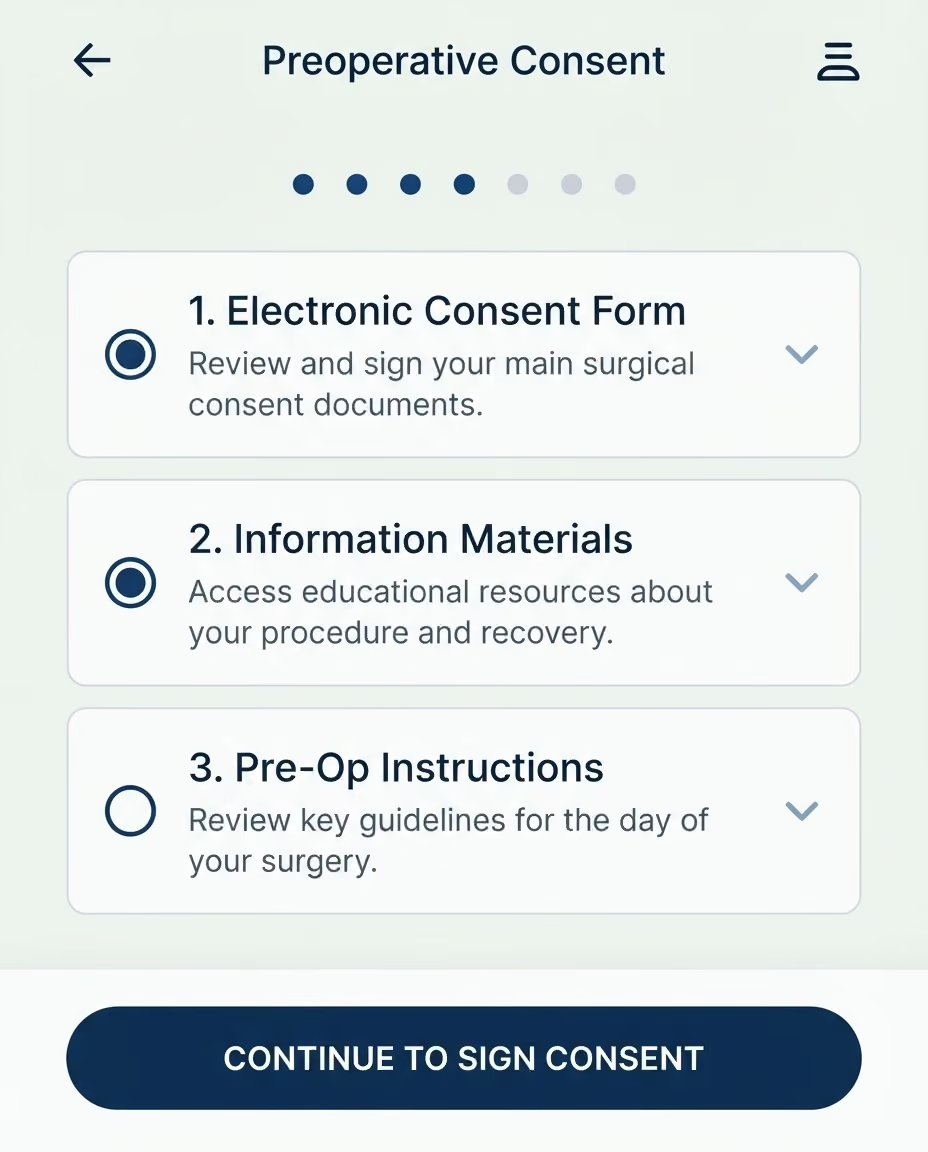
The patient-side app: one consent and preparation step per screen, with a progress indicator
Patient side
Consent and preparation, one step at a time.
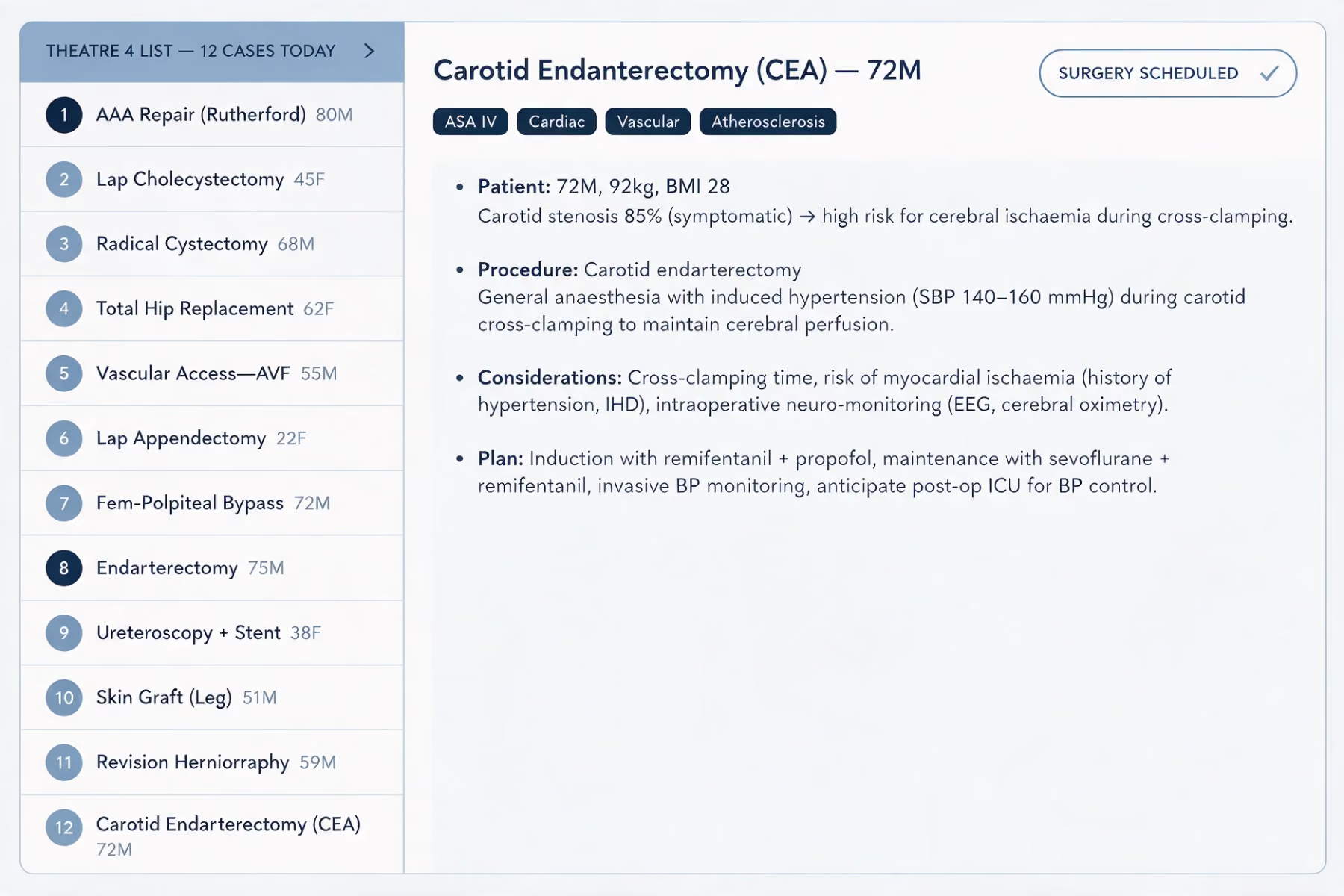
Day of surgery
The handover the theatre team reads at 07:40, not a folder they go looking for.
A day-of-surgery handover screen: case order down the left, the selected case with its risk tags and anaesthetic considerations
Nothing new at the door
The tray is already set. Livel only settles what happens in the weeks before it.
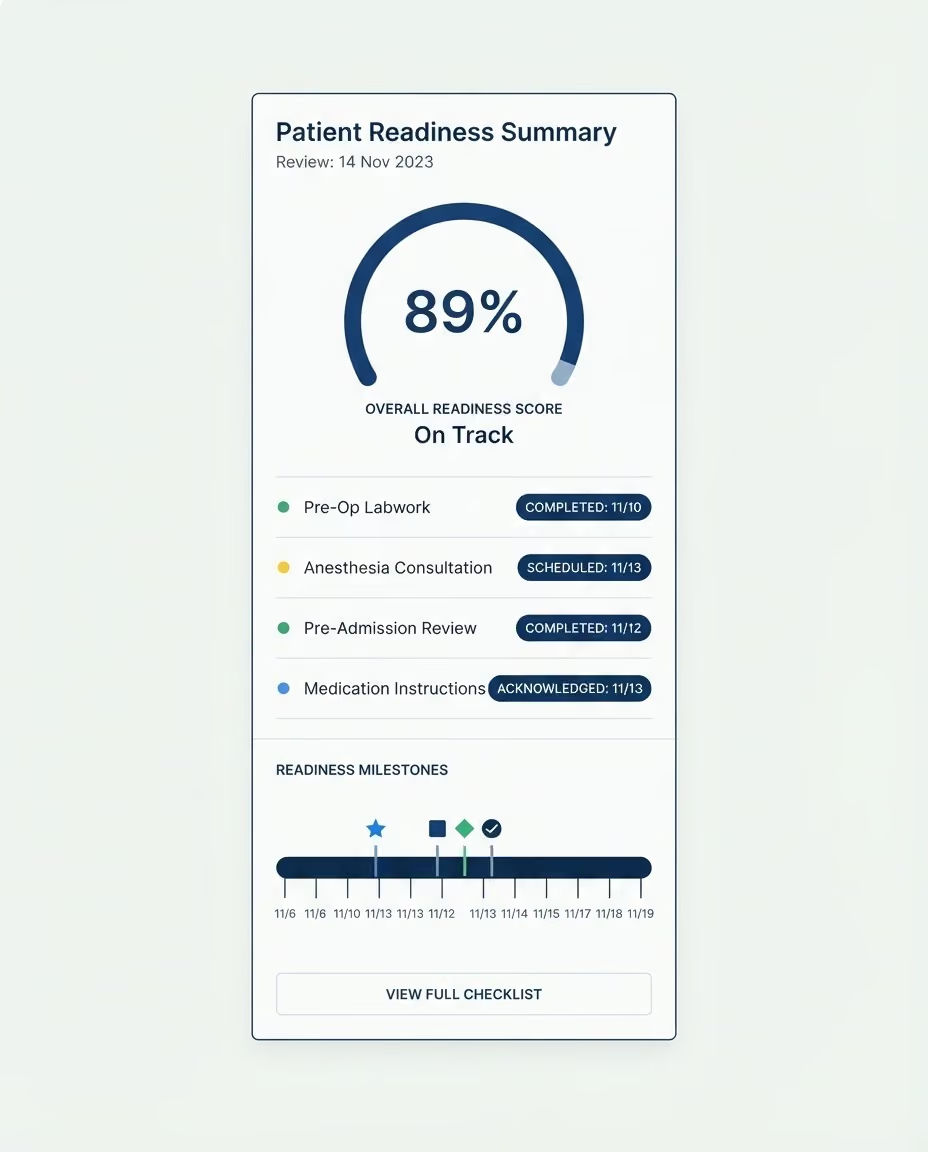
A per-patient readiness summary: an overall percentage above the outstanding milestones and their dates
One patient
A percentage, and what is behind it.
F5
Audit trail by default
Who saw what, when, and what changed — ready for morbidity review without a data request.
F1
Structured preoperative record
Coded history, medications, functional capacity and consent in one reusable record.
F2
Prehabilitation pathways
Anaemia, nutrition, exercise, smoking and glycaemic pathways with owners and due dates.
F4
Clinic time reclaimed
Assessment arrives summarised, so senior hours go on decisions instead of typing.
F6
Service-level visibility
Readiness failure traced to a specialty, a theatre or a step in the pathway.
05 — Outcomes

What a well-run four weeks is worth.

Modelled for a 1,200-case annual elective list using effect sizes reported in the perioperative literature. Illustrative, not measured Livel results.
Model inputs
1,200 elective cases · 8% baseline near-day cancellation · 4-week optimisation window · single metropolitan health service
−38%
avoidable near-day cancellations
Modelled · 8% baseline
−0.7d
mean postoperative length of stay
Modelled · major elective
+11%
usable theatre hours per list
Modelled · scheduling effect
~14h
senior clinician time returned weekly
Modelled · documentation
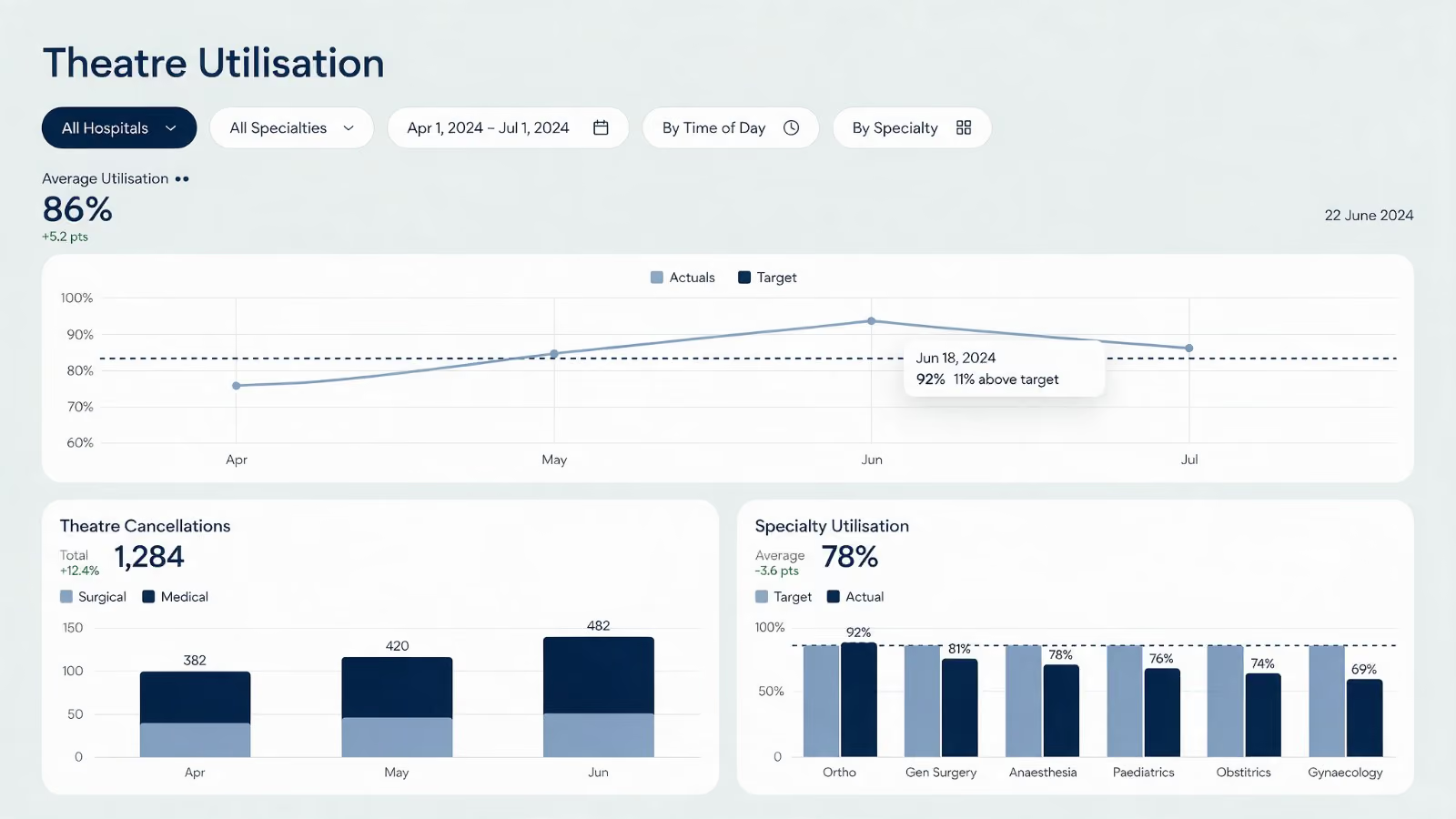
Where readiness is failing
Service-level view, by cause rather than by anecdote.
Cancellations and utilisation broken down by specialty, theatre and the specific step in the pathway that did not complete.
What executives see →
Theatre utilisation dashboard with a monthly utilisation trend, cancellation counts and a breakdown by specialty
06 — Evidence

Nothing here is a new idea. It is an unimplemented one.

Livel operationalises guidance that already exists. The evidence base for preoperative optimisation is mature; what is missing is a system that applies it to every patient, every time.
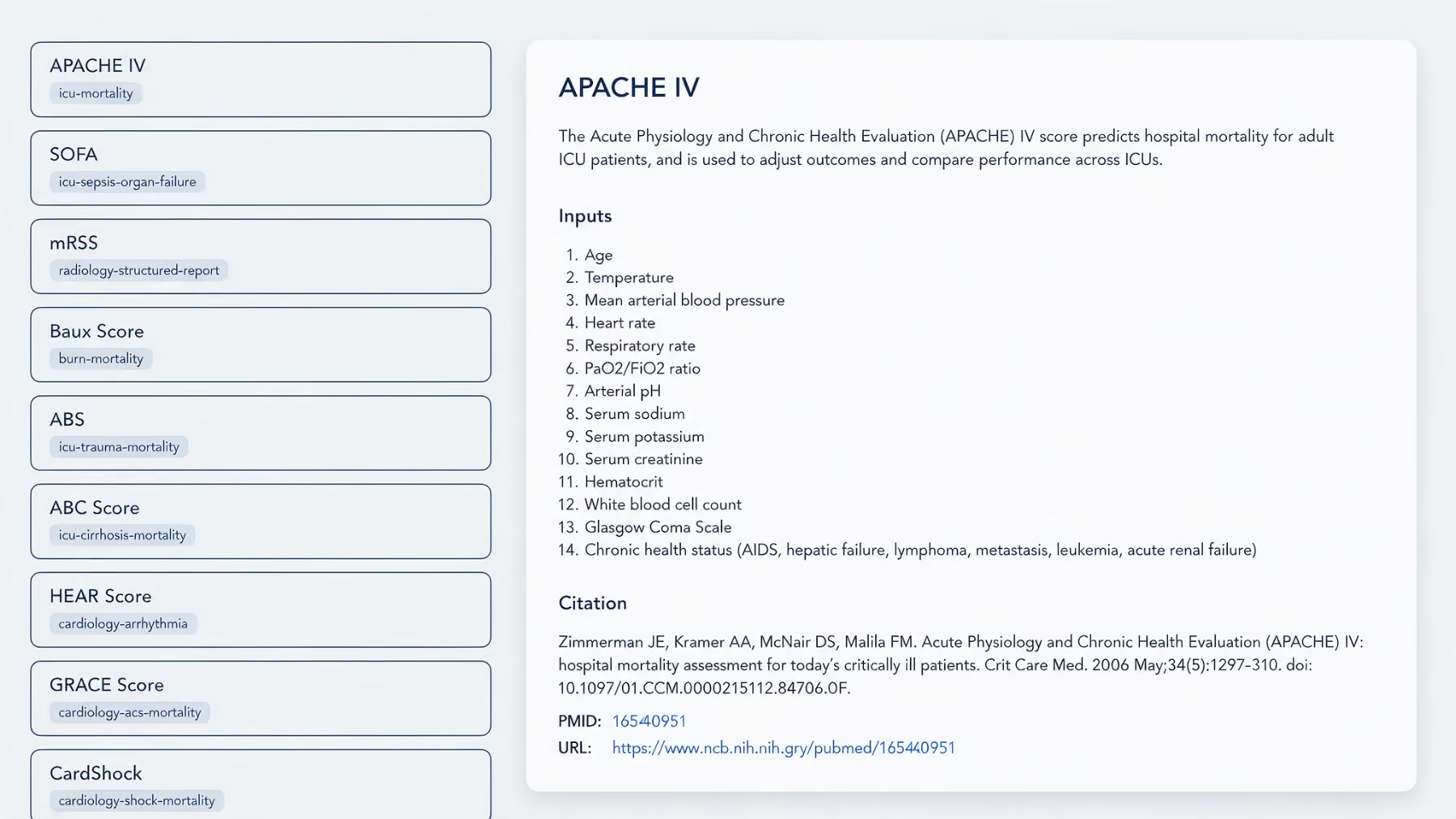

Instrument library
Each score shows its inputs and its source, so a registrar can check the reasoning.
An evidence library screen: validated risk instruments on the left, the selected instrument's inputs and citations on the right
Reviewed, not asserted
Every instrument in Livel is one a department could already defend at audit.
Cancellations
Most near-day deferrals are avoidable
A recurring finding across Australian and international audits of elective surgery.
Anaemia
Preoperative anaemia is a modifiable risk
Associated with transfusion, complications and longer stay; correctable in weeks, not days.
Prehabilitation
Multimodal preparation improves recovery
Exercise, nutrition and psychological preparation show benefit in major abdominal surgery.
Frailty
Frailty predicts perioperative outcome
Systematic screening changes decisions when it happens early enough to matter.
Reference list available on request. Livel is a clinical coordination tool and is not represented as a diagnostic device.
In discussion with metropolitan and regional health services for pilot deployment.
Illustrative placeholders — not current partners
Northbrae Health
Alderwick Health Service
Tarleton Health Network
Greymoor Hospitals
07 — Who is building it

Founded by a clinician who runs the pathway it fixes.

Livel was started by a specialist anaesthetist and perioperative medicine physician practising in Australia. The design comes from the pre-admission clinic and the theatre list, not from a product workshop.

Specialist anaesthetist, FANZCA
Perioperative medicine physician, practising in Australian public and private theatres
Designed and ran a structured pre-admission pathway before writing a line of software
Building with an advisory group of surgeons, pre-admission nurses and schedulers
Founder named on request ahead of public launch.
Abstract clinical data visualisation
“Every anaesthetist has met the patient who should have been optimised four weeks ago. The information was almost always there.”
08 — Vision

A national standard for arriving prepared.

Start with the four weeks before surgery in one service. Then make that window measurable, comparable and improvable across every service that wants it.

Now
Single-service pilot
One elective pathway, one health service, measured against its own baseline.
Next
Multi-site readiness
Shared instruments across services so readiness can be compared, not just recorded.
Then
Pathway intelligence
Where optimisation fails, by cause — feeding back into how lists are built.
Later
Open standard
A common perioperative readiness dataset that other systems can read and write.
The measure
A patient should arrive at these doors already as well as they were going to get.
09 — Questions

Frequently asked

Is this an EMR or a replacement for one?
No. Livel sits beside the record you already use and concerns itself only with the weeks before surgery. It is designed to hand a summary back, not to become the system of record.
Does the platform make clinical decisions?
No. It applies published instruments consistently and shows its reasoning. Every judgement remains with the treating clinician, and the platform is not represented as a diagnostic device.
How much work is it for the pre-admission team?
Less, in the intended design. Patients complete a structured history before clinic, so clinic time is spent reviewing and deciding rather than collecting.
What about privacy and Australian data residency?
The product is being built to Australian Privacy Principles with in-country hosting. This marketing site collects nothing beyond an email address if you choose to give one.
Are the numbers on this page your results?
No. Livel is early stage. Every figure shown is either drawn from published perioperative literature or modelled from it, and is labelled as such.
Can we pilot it?
That is exactly what we are looking for. A pilot starts with one pathway in one service and an agreed baseline to measure against.

See it against one of your own lists.

A 30-minute walkthrough with the founder. Bring a real pathway; we will show where Livel would have changed the day.

Kept short
Best fit
Health services and private surgical groups running elective lists
Not required
EMR integration, data migration or IT project to see it
Response
Within two business days